Exercise after 65: Safe Ways to Stay Fit
Read more about different types of exercise:
Chair Exercises for Seniors
Imagine you’re sitting in your living room at home when a small craving sends you toward the kitchen. As you stand and begin to walk, you notice you’re instinctively reaching for furniture to steady yourself along the way. When you try to take the last few steps on your own, you lose your balance and fall, leaving you hurt and shaken.
You’ve probably heard time and again that staying active is important as we age. Most people assume this advice is only about general health, but what’s often overlooked is how physical activity directly supports balance, mobility, independence, and overall confidence. Regular exercise routines are important in helping older adults move more comfortably, lowering the risk of falls, and making it easier to continue enjoying the everyday activities that bring joy to life.
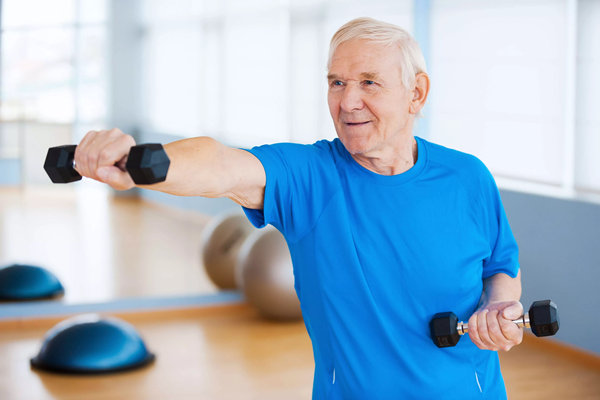
But don’t worry, the good news is that safe and effective exercise isn’t one-size-fits-all or one-age-fits-all. Workouts can be easily adapted to match different fitness levels, physical abilities, and health concerns, making it possible for nearly everyone to stay active and strong at any age.
Keeping Your Legs Strong
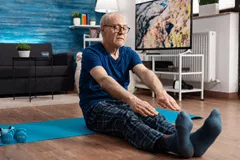
Keeping your lower body - most importantly your legs - strong is one of the most practical ways to stay active as you get older. Leg strength isn’t just about exercise for the sake of fitness, it’s about making sure you can handle your day-to-day routine without unnecessary struggle. When your legs are strong, you have the foundation you need to move through your home and community with more certainty and less effort.
Why Leg Strength Matters for Mobility and Independence
Strong legs are the primary tools we use for almost every basic movement, from pushing up out of a chair to safely navigating a flight of stairs. When leg muscles begin to weaken, these simple tasks can start to feel like a chore, often leading to a loss of independence in daily life. Maintaining this strength is also one of the most effective ways to
reduce fall risk, as it gives you the stability needed to catch your balance if you trip. Ultimately, working on leg strength provides the physical confidence to stay active and manage your own routine without having to rely on others for physical support.
Building Arm & Upper Body Strength
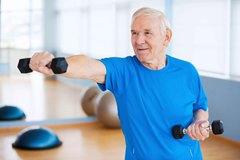
Maintaining upper body strength is just as important as keeping your legs strong when it comes to preserving independence and staying active. We use our arms and shoulders for almost every reaching or lifting motion throughout the day, often without even thinking about it. Focusing on these muscle groups ensures that you can continue to handle your own belongings and navigate your home environment with ease.
Why Arm Strength Matters for Daily Activities
Upper body strength plays a direct role in how easily you can manage your daily chores and personal care. You might notice a decline in strength most when lifting a bag of groceries, reaching for a glass on a high shelf, or carrying a laundry basket from one room to another. When these muscles are weak, it’s easy to strain your back or neck by overcompensating for the lack of arm power. Keeping your arms and shoulders conditioned also supports better posture, which helps with your overall stability and prevents the
"slumping" posture that can lead to major discomfort over time

Balance Exercises to Help Prevent Falls
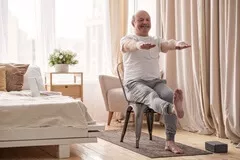
Improving your balance is one of the most effective and important ways to protect your physical safety as you get older. Because balance is a skill that can diminish if it isn't practiced, taking a few minutes each day to focus on stability can make a significant difference in how you move. By training your body to stay centered, you're not just preventing accidents; you’re making it easier to navigate uneven sidewalks or busy environments without worry.
Why Incorporating Balance Training Is Important
It is a natural part of aging for our sense of balance to decline, which is often why many older adults begin to feel less steady on their feet. This change is a leading factor in the increased risk of falls and the injuries that often follow. Practicing balance exercises daily helps retrain your coordination and stabilizes the small muscles in your ankles and core that keep you upright. Strengthening these systems builds the confidence you need for safer walking and general mobility, allowing you to move through your daily routine with a much lower risk of a stumble.
Flexibility & Stretching’s Role in Comfort
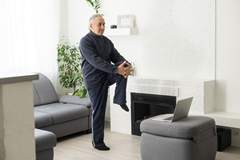
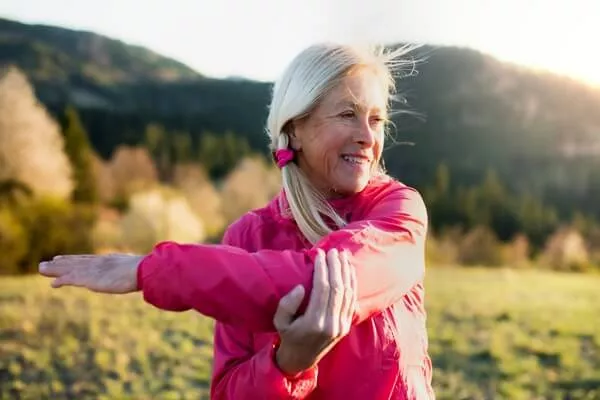
Maintaining flexibility is often the difference between feeling "stiff" and feeling comfortable in your own body. As we age, muscles and tendons tend to lose some of their elasticity, which can make simple movements feel restricted. By incorporating regular stretching into your day, you’re helping your joints stay lubricated and your muscles remain long, which makes everything from getting dressed to reaching for a cupboard feel much more fluid.
Why Flexibility Matters for Mobility
Flexibility is a key part of physical health that directly affects how you feel when you wake up in the morning. When your joints maintain a healthy range of motion, you’re less likely to experience the nagging stiffness and discomfort that often set in after long periods of sitting or sleeping.
Regular stretching also helps pull your body back into alignment, which improves your posture and takes the pressure off your lower back and neck. Ultimately, staying flexible makes all your other activities safer, easier and more comfortable, as your body is better prepared to handle the physical demands of walking or strength training.
Importance of Low-Impact Cardio for Heart Health
Keeping your heart healthy is one of the most important things you can do to maintain your energy levels as you get older. Over time, the
heart and blood vessels naturally change, which can sometimes make you feel tired more quickly or affect your circulation. Engaging in regular, gentle movement helps keep the cardiovascular system efficient, ensuring you have the stamina to enjoy your daily hobbies and stay active with family.
Why Heart Health Is Top Priority
As we age, our cardiovascular system requires a bit more attention to keep running smoothly. You might notice that your endurance isn't quite what it used to be, or that it takes a little longer to catch your breath. Regular cardio movement help strengthen the heart muscle and improve circulation, which directly impacts your overall well-being. Beyond just feeling better,
staying active is a practical way to help manage blood pressure and support your long-term health, making it easier for your body to handle the physical demands of a busy life.
"Movement is a medicine for creating change in a person’s physical, emotional, and mental states." — Carol Welch
Strength Has No Expiration Date
Building a consistent movement routine after 65 is less about intensity and more about maintaining the quality of your daily life. Whether you are focusing on leg strength to stay steady on your feet or doing gentle stretches to ease morning stiffness, every bit of activity contributes to your independence. The most important thing is to listen to your body and move at a pace that feels right for you. By making these small, safe adjustments to your routine, you are taking a proactive step toward staying capable, confident, and comfortable in the years ahead.
How Concierge Care Can Help
Concierge Care provides compassionate, experienced caregiver referrals who provide personalized support to families at home. From help with daily activities to companionship, our team is here to promote comfort, independence, and peace of mind. Call today to learn how in-home care can support you or your loved one.