How to Reduce the Risk of Falls for the Elderly
Aging comes with its fair share of challenges, and while most people know that falls are common among seniors, what often gets overlooked is just how easily they can happen. Even the safest-feeling environments can pose hidden risks, which is why understanding where and why falls occur is so important and how to prevent them.
Falls are one of the most common causes of injury among older adults, and each year,
1 in 4 people aged 65 and older experiences a fall accident — potentially causing serious physical and emotional consequences. What’s surprising to many is that a large share of these injuries happen in the comfort of one’s own home: about 71.6% of falls occur indoors, with 79.2% of those happening at home.
Imagine Grandma loses her balance on a loose rug in her living room. She falls, breaks her hip, and suddenly she’s facing months of painful recovery, relying on others for help with daily tasks she used to do herself. While situations like this can be scary, the good news is that there are simple, effective ways to reduce the risk of falls.
Common Causes of Falls in Seniors
- Cluttered or Unsafe Home Environments: Even small tripping hazards or poor lighting can make moving around less safe.
- Limited Physical Activity: Weak muscles and reduced balance from inactivity make slips and missteps more common.
- Foot Pain or Improper Footwear: Discomfort or unsupportive shoes can affect stability and increase stumbling.
- Vision or Hearing Problems: Trouble seeing or hearing makes it harder to notice obstacles or stay oriented.
- Medication Side Effects: Dizziness, drowsiness, or blood pressure changes from medications can raise fall risk.
- Chronic Health Conditions: These issues can cause weakness or lightheadedness, making falls more likely.
- Cognitive Impairment or Confusion: Reduced awareness or decision-making can lead to unsafe movements or misjudgments.
Creating a Safer Home Environment
Fall risk and its causes may not be completely preventable but making simple changes around the house are important to greatly reduce the risk of incidents occurring. With these quick and easy adjustments, you can start creating a safer and more comfortable home right away for yourself or your loved one.
Essentials Within Reach and Declutter
Clearing walkways of clutter, slippery rugs, and loose cords helps remove common tripping hazards, while keeping everyday items at waist height prevents unnecessary stretching, bending, or climbing that can affect balance.
Enhancing Safety in the Bathroom and Kitchen
Adding non-slip mats provides extra protection on wet or slick surfaces, while sturdy grab bars in the bathroom and near stairs offer reliable support. Making sure to brighten dim areas with lamps or nightlights helps ensure potential hazards are easy to spot, especially in hallways, bathrooms, and kitchens.
Age is not a barrier to strength, balance, or independence. Every step you take toward safety and wellness is a step toward living life on your terms.
The Importance of Regular Exercise and Balance Training
Staying active plays a major role in preventing falls, especially as we age. Even small amounts of movement can improve strength, balance, and overall confidence in daily activities. By focusing on consistent exercise and balance training, seniors can significantly reduce their risk of falls and maintain greater independence.
Exercise for Strength and Stability
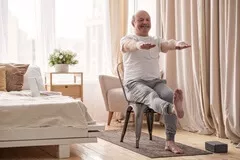
One of the most effective strategies for fall prevention is incorporating regular exercise into a daily routine. Exercise strengthens muscles, improves overall stability, and boosts coordination. Low-impact activities like tai chi, yoga, and walking are excellent options for building strength without putting unnecessary strain on joints. For those who need extra guidance, consulting a physical therapist can help create a personalized routine tailored to individual needs and abilities.
Balance Training for Better Control
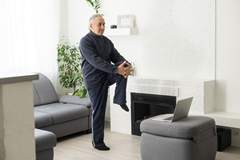
Balance training is equally important when it comes to reducing fall risk. Simple drills, such as heel-to-toe walking, standing on one foot, or practicing controlled weight shifts, can make a meaningful difference when done consistently. These exercises help improve body awareness and steadiness, contributing to better control during everyday movements. Staying consistent is key to building confidence and maintaining safety.
Footwear and Mobility Aids That Help Prevent Falls
In addition to exercise and balance training, the right footwear and mobility aids can make a big difference in preventing falls. Supportive shoes with firm, non-slip soles provide stability, while slippers, heels, or backless shoes should be avoided. For added comfort and better posture, inserts can be helpful. When recommended by a healthcare provider, canes or walkers offer extra support, but it’s important to make sure that all mobility aids are properly fitted for both height and intended use.
Vision and Hearing: Hidden Factors in Fall Risk
Vision and hearing are often overlooked factors that can increase the risk of falls. Scheduling annual eye and hearing checkups and keeping eyeglass prescriptions up to date help ensure you can see and hear clearly. Hearing loss can reduce awareness of your surroundings, making balance more challenging. Improving lighting to minimize glare and shadows can also make walking safer, and being cautious with bifocals or progressive lenses is important, as they can distort depth perception and affect stability.
Medication Check: How Side Effects Can Affect Balance
Another important factor in fall prevention is reviewing medications, as unintended side effects can significantly impact balance.
Common types of medications that can increase fall risk
Some
medication categories that are often linked to dizziness, balance problems, or disorientation, especially in older adults, include:
- Sedatives / Sleep aids / Benzodiazepines
- Antidepressants
- Antipsychotics / Mood-stabilizing or psychotropic drugs
- Opioid pain medications
- Muscle relaxants
- Anticholinergic / Antispasmodic / Older-generation antihistamines
- Blood pressure / cardiovascular medications (especially those that lower blood pressure)
Regularly going over all prescriptions and supplements with your doctor or pharmacist helps identify risks such as dizziness or fatigue. Taking multiple medications at once can increase these risks, so it’s important to discuss timing and possible adjustments to avoid side effects during active parts of the day. Be sure to include over-the-counter medicines in these reviews, as they can also affect stability and overall safety.
Simple Lifestyle Changes That Reduce Risk
Finally, simple lifestyle changes can go a long way in reducing the risk of falls. Staying hydrated and eating nutritious meals support overall strength and energy, while getting enough sleep helps maintain alertness and coordination. Using alarm reminders for meals and hydration can be especially helpful for adults who may be more forgetful. Standing up slowly can prevent dizziness, and keeping a phone or medical alert system within reach ensures help is always close by if needed. Regular health checkups are also important for catching potential issues early and staying proactive about your safety.
What to Do if a Fall Happens
Now that we’ve discussed the common causes of falls and ways to prevent them, it’s important to know what to do if a fall does occur. First, stay calm and check for any pain before attempting to get up.
Learning a safe method for rising slowly or calling for help can prevent further injury. Be sure to report any fall to your healthcare provider, even if it seems minor, so the underlying cause can be identified and addressed. Finally, make any necessary adjustments to your routine or environment to reduce the risk of another fall.
When to Seek Professional Help
If falls are becoming a concern or if you want extra guidance, it’s a good idea to seek professional help or an in-home assessment. Your doctor can perform a fall-risk or balance evaluation to identify any potential issues. It’s also crucial to openly communicate with caregivers or family members to ensure everyone is aware and prepared. For seniors who may need more hands-on support, it may be time to consider an in-home caregiver.
Concierge Care helps older adults stay safe and independent at home by connecting families with highly qualified, vetted caregivers. These caregivers provide personalized support, from mobility assistance to identifying fall risks and encouraging safe habits. With professional help, seniors can enjoy greater confidence, stability, and well-being each day.
Strength, Safety, and Independence Ahead
Falls don’t have to be sudden or frightening events, most can be prevented by taking small, consistent steps to enhance strength and promote safety. By taking these proactive measures mentioned in this article, older adults can maintain their independence, stay active, and enjoy life with greater confidence in a risk-free environment.