Benefits of Assisted Living
It’s a quiet Sunday afternoon, and you’re standing in your mom’s kitchen. The mail is piled on the counter. The lightbulb over the sink has been out for weeks. She insists she’s “just fine”, but you’ve noticed she doesn’t go out much anymore — and the house that once felt lively now feels a little too quiet. You want her to stay independent, but you also want her to feel safe, connected, and supported.
In moments like this you realize its time to explore additional support, but being faced with a flood of options and unfamiliar terminology can quickly make this decision feel overwhelming. From the personalized comfort of in-home care to the community-centered environment of assisted living, how do you know which path is truly the right fit for your loved one and your family’s needs?
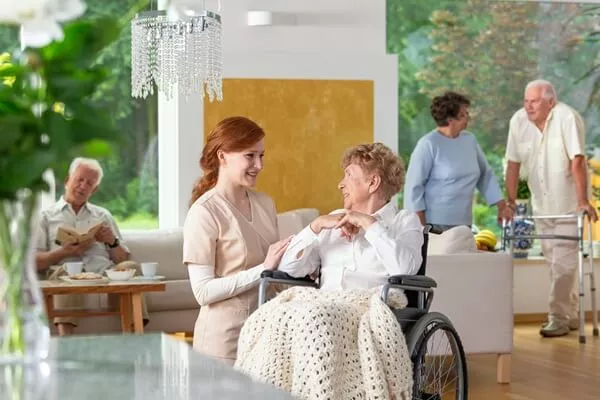
In this article, we’ll walk through the key benefits of assisted living. Understanding what these communities truly offer can help you determine whether this level of care is the right fit for your loved one and your family’s peace of mind. Making a decision about senior care isn’t easy, but having clear, honest information can make the path forward feel a little less overwhelming.
Which Care Option is Right?
When families begin exploring senior living options, they quickly realize there is no one-size-fits-all solution. The right choice often depends on a senior’s health needs, level of independence, and daily support requirements. Taking a closer look at each of these options can help families better understand which care path is the best place to begin their search.
Assisted Living
Assisted living communities are designed for seniors who are mostly independent but benefit from some extra support with daily activities. Staff members are available to help with tasks such as medication reminders, bathing, dressing, and meal preparation while residents still maintain their own private living spaces. These communities also often provide social activities, dining services, and housekeeping, creating an environment that promotes both independence and connection.
Nursing Homes
Nursing homes, also known as skilled nursing facilities, are intended for seniors who require a higher level of medical care and supervision. Residents typically have ongoing health conditions or recovery needs that require monitoring by licensed nurses and medical professionals. In addition to personal care assistance, nursing homes provide medical treatments, rehabilitation services, and 24-hour support.
In-Home Care
In-home care allows seniors to remain in the comfort of their own homes while receiving support with Activities of Daily Living. Caregivers assist with meal preparation, light housekeeping, companionship, transportation, and personal care. Home care is preferred by seniors who want to maintain their familiar routines and surroundings while still receiving the help they need.
The Benefits of Assisted Living
While each of these options serves an important role in senior care, assisted living offers a unique balance for seniors who enjoy the social connection aspects of a close knit community but want the peace of mind that comes with on-site professional support. In the sections below, we will take a closer look at the many benefits of assisted living and why it may be the right solution for many seniors and their families.
Immediate Support
One of the most reassuring aspects of assisted living is the availability of professional, caregiver help when it’s needed. Residents benefit from both physical and emotional support within a close-knit environment consisting of their peers and staff.
Emergency Response Systems in Every Room
Safety is one of the biggest concerns for families when deciding on which level of care is right for their loved one. Many assisted living communities install emergency call systems in private rooms and bathrooms to ensure that seniors are kept safe at all times (even in their most independent moments) allowing residents to request help quickly in case of falls or medical concerns.
Emotional and Mental Health Resources
Some communities provide access to counseling services, support groups, or visiting mental health professionals. Social connection and accessible support services are important in addressing
depression and anxiety among older adults. Having resources readily available encourages residents to seek help when needed.
Staff On Call
In some communities, trained staff members are available around the clock to assist with daily activities such as medication management, dressing, bathing, and mobility. This continuous availability ensures residents receive support while preserving as much independence as possible.
"Asking for help is not giving up. It's refusing to give up." — Charlie Mackesy
Maintenance-Free Living
Homeownership can become physically and financially burdensome over time. Assisted living offers relief from these responsibilities, allowing seniors to focus on enjoyment and wellness instead of upkeep.
Elimination of Utility and Property Management
In most assisted living communities, utilities, landscaping, and general property management are handled by the facility. Residents no longer need to worry about home repairs, lawn maintenance, or unexpected household expenses. This simplified lifestyle reduces stress and supports seniors needs without the physical strain of maintaining a private home.
Access to Professional Housekeeping, Laundry, and Interior/Exterior Upkeep
Many assisted living communities offer regular housekeeping and laundry services, easing the burden of daily chores, especially as physical changes make tasks like vacuuming, lifting laundry baskets, or bending over to clean more difficult. What once felt routine can quietly become exhausting. With professional support in place, residents can enjoy a clean, safe, and comfortable living space without the strain, allowing them to conserve their energy for activities the things they truly enjoy.
Built-In Social Opportunities[
One of the greatest advantages of assisted living is the opportunity for consistent social interaction. Social engagement is not just enjoyable — it plays a critical role in overall health and longevity. Research shows that
social isolation in older adults is associated with higher risks of heart disease, depression, and cognitive decline. Assisted living communities are intentionally structured to help residents stay connected and engaged.
Scheduled Group Activities and Events
Most assisted living communities offer daily calendars filled with group activities such as exercise classes, game nights, arts and crafts, educational workshops, and holiday celebrations. These planned events give residents routine opportunities to build friendships and stay mentally active. Regular social participation has also been linked to better cognitive function and emotional well-being in older adults. By removing the barrier of transportation and planning, communities make it easy to stay involved.
Shared Dining Experiences
Shared dining is another beneficial social component provided by assisted living communities. Residents gather for meals in communal dining rooms, encouraging conversation and companionship. Mealtimes become more than just nourishment; they become daily moments of connection.
Structured Environment
Having a predictable and well-supported environment can provide a strong sense of comfort for many seniors. Structure helps reduce stress and uncertainty, especially for individuals experiencing mild cognitive changes or mobility challenges. Assisted living communities are designed to provide routine and oversight while still promoting self sufficiency.
Routine-Based Daily Schedules
Consistent daily schedules — including meals, activities, and wellness checks — help residents maintain healthy habits.
Routine can improve sleep patterns, reduce anxiety, and provide a sense of stability. Having these reliable rhythms to the day can foster confidence and security within seniors.
Safety and Security Protocols
Safety is a top priority in assisted living communities. Many facilities include secured entrances, monitored access points, well-lit common areas, and trained staff available around the clock. These built-in protections offer reassurance to both residents and their families.
Access to On-Site Amenities
Assisted living communities are designed to promote active, fulfilling lifestyles. On-site amenities make it easier for residents to pursue hobbies, stay physically active, and maintain independence without leaving the community.
Fitness Centers or Wellness Programs
Many communities offer fitness centers, group exercise classes, and wellness programs tailored to seniors. Regular physical activity can
improve balance,
reduce fall risk, and support heart health in older adults. Convenient access to structured fitness opportunities encourages residents to stay active.
Transportation Services
Transportation services allow residents to attend medical appointments, run errands, and participate in off-site outings safely. Loss of driving ability can contribute to isolation, but community transportation helps maintain independence and social engagement.
Recreational Rooms
Game rooms, libraries, art studios, and multipurpose spaces offer outlets for creativity and connection. These dedicated areas support hobbies and group gatherings, which are linked to improved life satisfaction and reduced loneliness among seniors.

Things to Remember
When researching assisted living communities, it’s important to look beyond just the living space and ask detailed questions about what the community offers. Be sure to ask about the level of support available, safety features, social opportunities, scheduled events, and services such as housekeeping and laundry. Every community is different, so taking the time to understand what is included can help ensure the environment and services truly match the senior’s needs, lifestyle, and level of independence.
Choosing the Best Path Forward
Picking the right type of care is rarely simple. You want your loved one to feel happy, respected and independent but you also need to know they’re safe and supported. When opinions differ between family members, or even between you and your senior loved one, the decision can feel even heavier. For many families, assisted living becomes a thoughtful middle ground, offering the freedom seniors value with the dependable support everyone can feel confident in. Taking the time to understand the different care options available can bring clarity and help you move forward with reassurance about the next steps.
How Concierge Care Can Help
Concierge Care connects families with compassionate, experienced caregivers who provide personalized one-on-one support for seniors. Many residents in assisted living communities benefit from the added attention of a private caregiver who can offer companionship, assist with daily routines, and provide individualized support alongside the care already offered by the facility. This extra layer of care helps residents remain comfortable, engaged, and confident in their daily lives while giving families additional peace of mind.